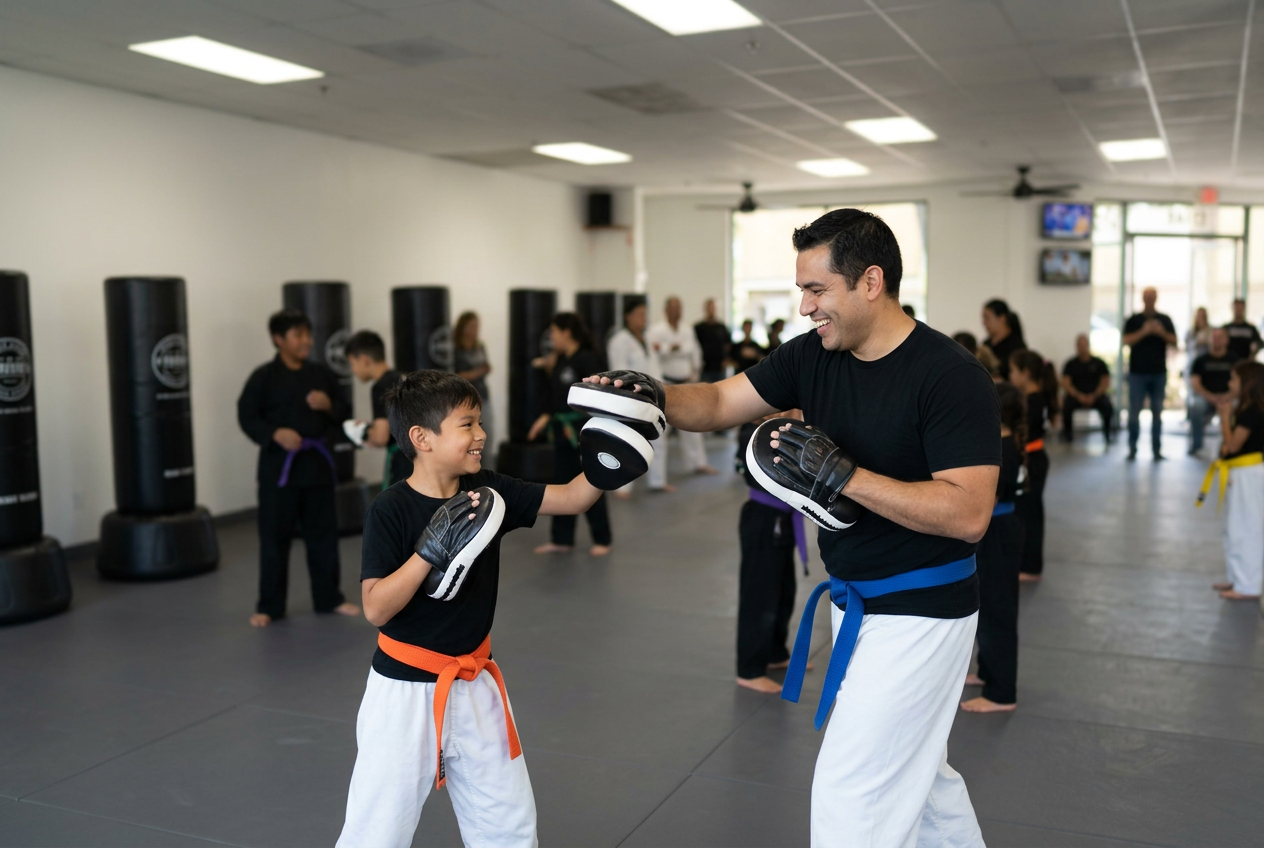
Parents ask us to train alongside their kids for two very different reasons. Some want the shared thing: one activity the whole family does, on purpose, every week. Others are hoping proximity will fix a behavior problem. The first reason works almost every time. The second one rarely does, and it is worth knowing which camp you are in before you buy two memberships.
We have watched hundreds of parent and child pairs train on our floor. The pattern is consistent enough to predict. Here is the honest version, including the part most schools leave out of the sales conversation.
Why Training Together Works So Well
The strongest benefit has nothing to do with technique. Your child gets to watch you be bad at something. That is rare and it is powerful. Kids grow up assuming adults arrive fully formed, and then they see their parent miss a combination, get corrected in front of the room, and try it again anyway.
That single experience does more for a child's relationship with failure than any pep talk. You cannot lecture your way to resilience. You can demonstrate it on a Tuesday at 6:15.
The second benefit is logistical and underrated. One trip, one schedule, one commitment. Families who train together miss fewer classes, because nobody has to be driven anywhere while someone else waits in a car. Attendance is what produces results in martial arts, and shared attendance is more durable than solo attendance.
The third is the conversation on the way home. You now share a vocabulary, a set of frustrations, and a small weekly accomplishment. For families with a preteen who has stopped volunteering information about their day, that shared subject is worth the tuition by itself.
Where It Goes Wrong
The failure mode is almost always the same, and it is not about fitness or age. It is about roles. On the mat, the instructor is in charge of your child, and you are a student like everyone else. Parents who cannot let go of the managing role turn class into a second version of home, and the child now has no place to be a beginner in peace.
Specific behaviors that break it: correcting your child mid-drill, answering questions the instructor asked them, apologizing for their performance, or making eye contact every time they lose focus. All of it comes from love, and all of it tells your kid that they are being evaluated by you instead of coached by the teacher.
The second common problem is a mismatch in why each person is there. If a parent enrolled to lose fifteen pounds and the kid enrolled because they were told to, the class becomes a negotiation. Nobody trains well in a negotiation.
The Age Question Matters More Than People Think
Under seven, training in the same room usually does not work. Young children behave differently when a parent is within sight, and the class they need is built around a coach relationship they cannot form while looking at you. Drop them off, sit in the lobby, and let the instructor own the floor.
Ages eight to twelve is the sweet spot. Old enough to hold their own in an adult-paced class, young enough that doing something with a parent still sounds good rather than embarrassing.
Teenagers are the wild card. Some love it and treat a parent as a training partner. Others need the mat to be the one place that is entirely theirs. Ask them, believe the answer, and do not take it personally.
Our programs by stage:
Four Rules That Make It Work
- On the mat, you are a student. The instructor coaches your child, not you.
- No corrections during class, and none in the car unless your child asks first.
- Praise effort you actually saw, with a specific detail. Vague praise reads as fake to a ten-year-old.
- Let them be better than you at something and say so out loud when it happens.
Families who follow those four rules almost never have a problem. Families who ignore the first one almost always do, and the child is usually the one who quits.
What If Only One of You Wants This?
Then start with one of you. A reluctant participant does not become enthusiastic through paperwork. Very often the parent trains first, comes home tired and talking about it, and the kid asks to join within a month. That order works far better than dragging a child in and hoping enthusiasm arrives later.
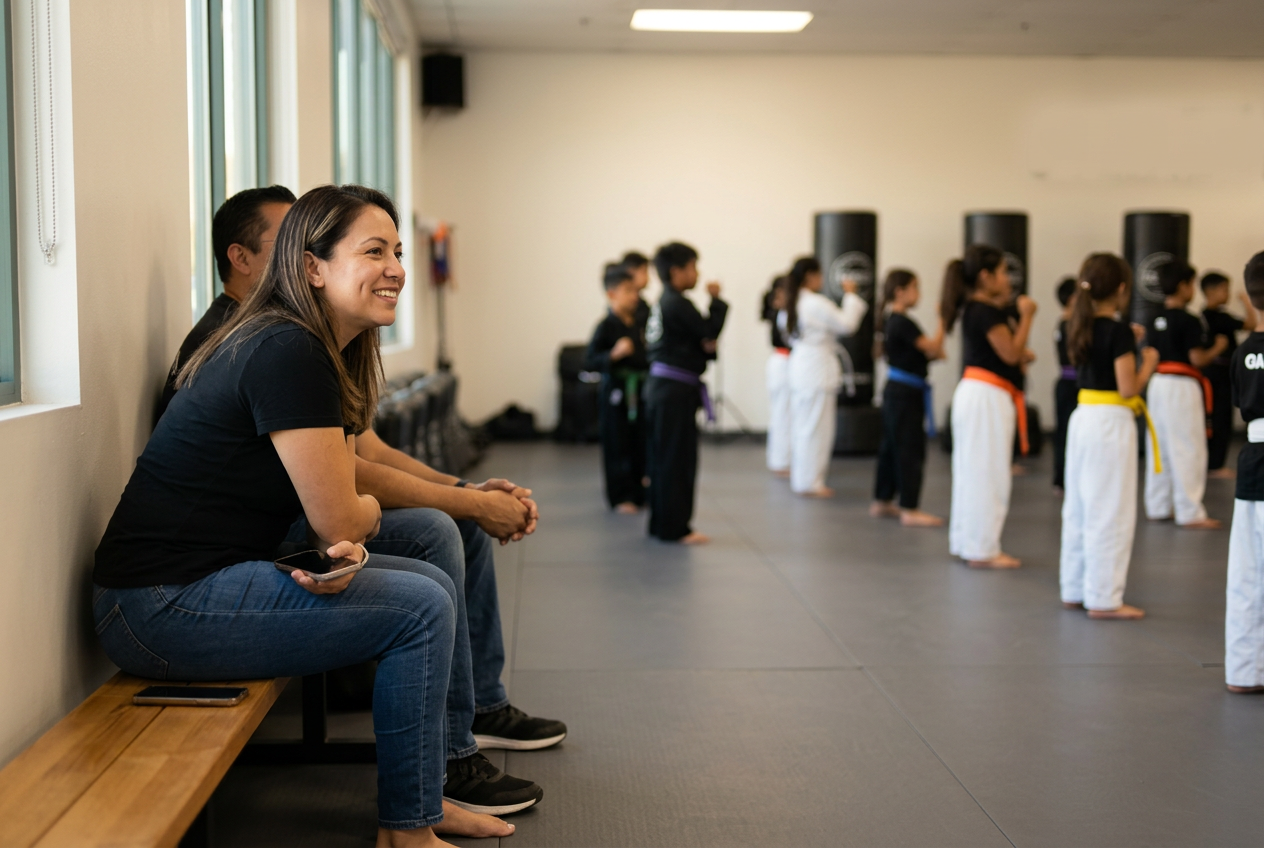
The reverse happens too. A child enrolls, the parent spends six weeks watching from the bench, and eventually admits they want to be out there. That is the best version of this whole idea, because both people chose it.
How to Test It in Three Classes
You do not need to predict this. Train together for three classes and watch for three signals. Does your child look at you for approval during drills, or at the instructor? Do you feel the urge to correct them? Is the car ride home energized or tense?
If your child watches the instructor, you stay quiet, and the ride home is loud in a good way, you have found something your family will keep for years. If not, split the schedule. Separate classes are not a failure. They are just the right structure for your family, and both people still get everything martial arts has to offer.
The Honest Trade-Off
Training in the same class means your child gets less individualized attention than they would in a class built exclusively for their age group, because the curriculum has to serve a wider range. That is a real cost. What you get in exchange is a shared habit and a parent modeling effort in real time.
For most families that trade is worth it. For a child who needs focused, age-specific coaching to make progress, it is not. A good school will tell you which one you are looking at instead of selling you the more expensive option.
Frequently Asked Questions
What age can my child train in the same class as me?
Generally eight and up, and it works best from eight to twelve. Younger kids do better in their own age-specific class where the instructor is the only authority on the floor.
Do I need to be in shape first?
No. The first three weeks are a conditioning curve for everyone, and technique improves faster than fitness does. Waiting until you are in shape is the most common reason adults never start.
Will I embarrass my kid?
Only by trying to be the coach. Being a beginner is not embarrassing to a child. Being corrected by a parent in front of friends is.
Is it cheaper to train together?
Most schools offer some form of family rate, so ask for the total monthly cost for everyone who would train. Compare that to the value of one trip instead of two.
What if my child wants to stop but I want to continue?
That is completely normal and fine. Keep training. Kids often rejoin later, and watching a parent stick with something after the novelty ends is its own lesson.
Try It for Two Weeks Before You Decide
You will know inside three classes whether training together is right for your family. Come find out with our new student intro, and if separate classes turn out to be the better fit, we will tell you.
New Student Experience
Ready to See It In Person?
2 Weeks of Classes — $158 $25
Keep Reading
Mighty Badgers
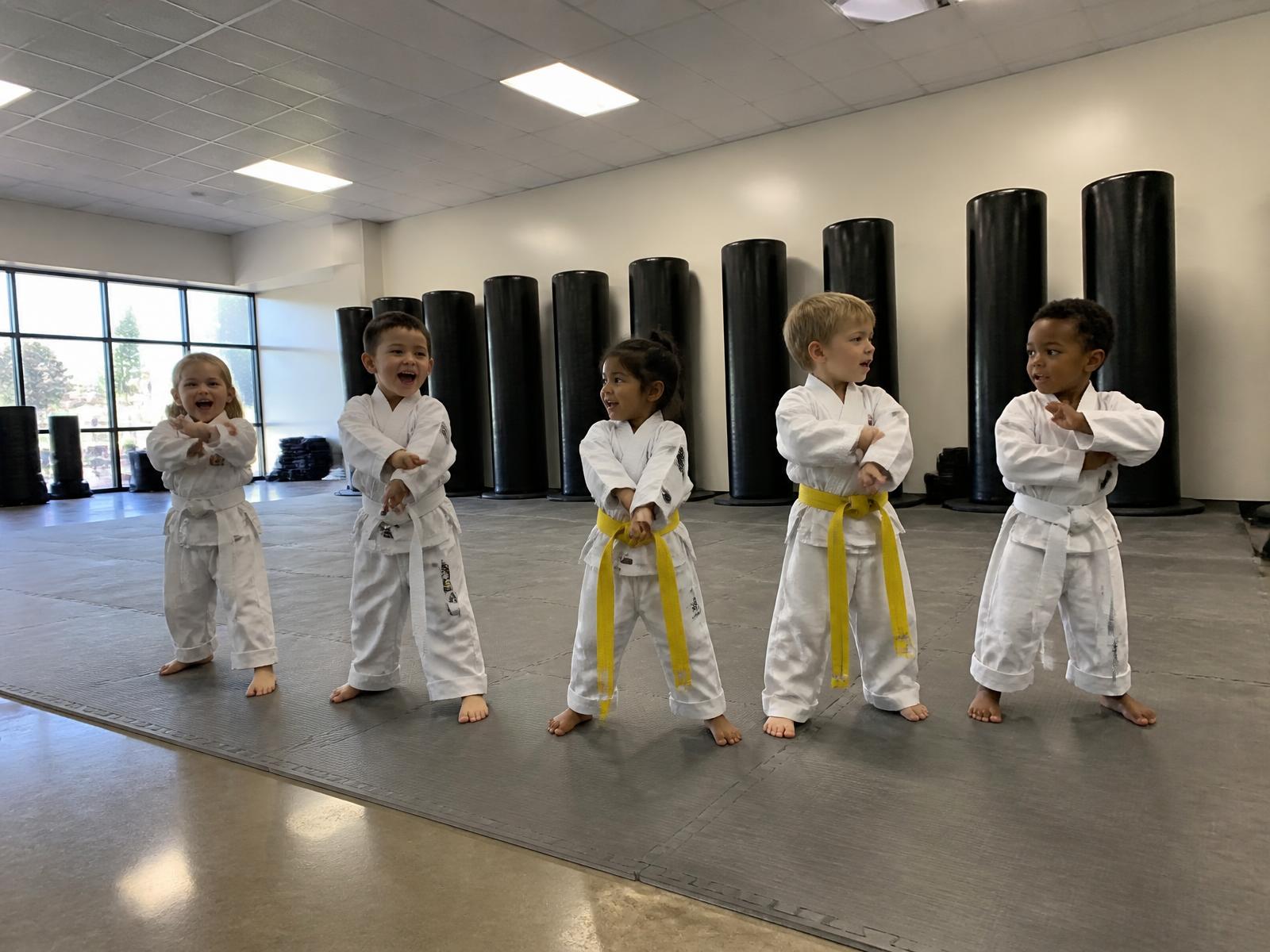
Preschool Martial Arts in Oxnard: What Ages 3 to 6 Actually Learn
Youth Martial Arts
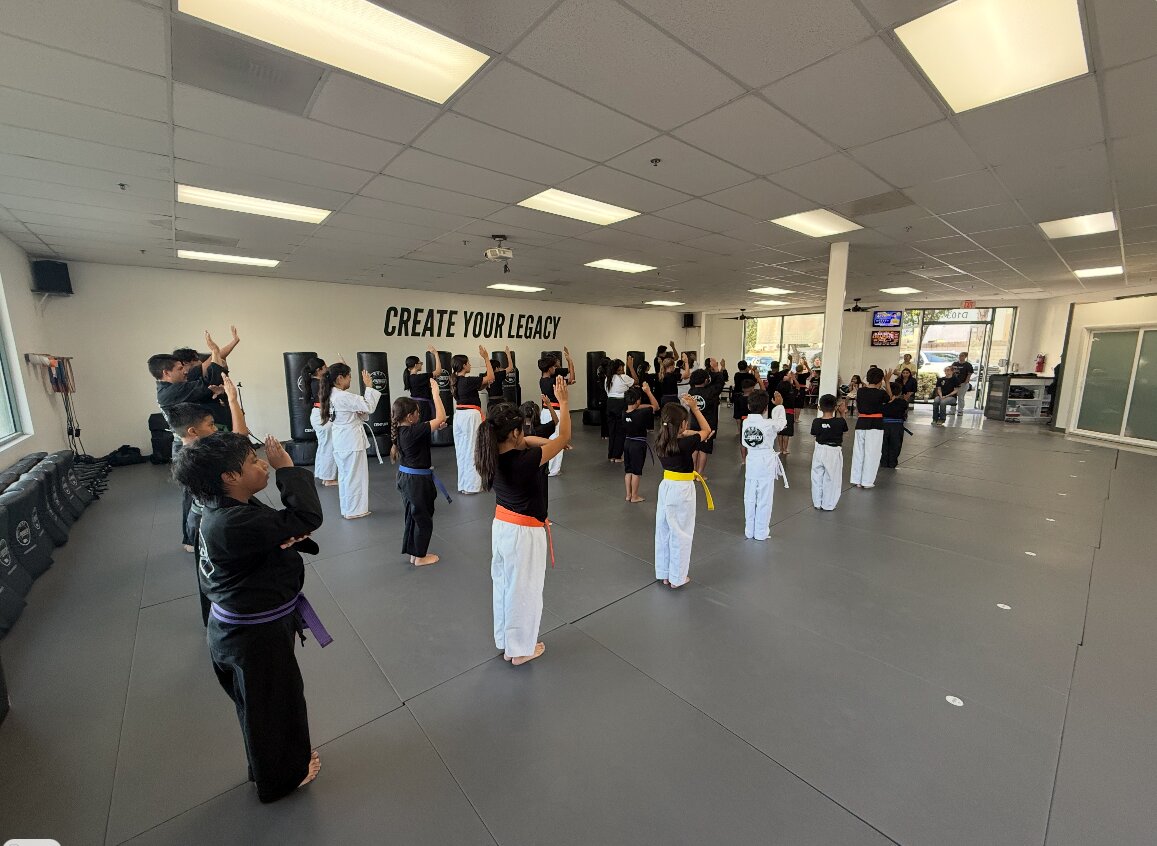
Kids Martial Arts in Oxnard (Ages 7 to 12): A Parent's Complete Guide
Teen & Adult
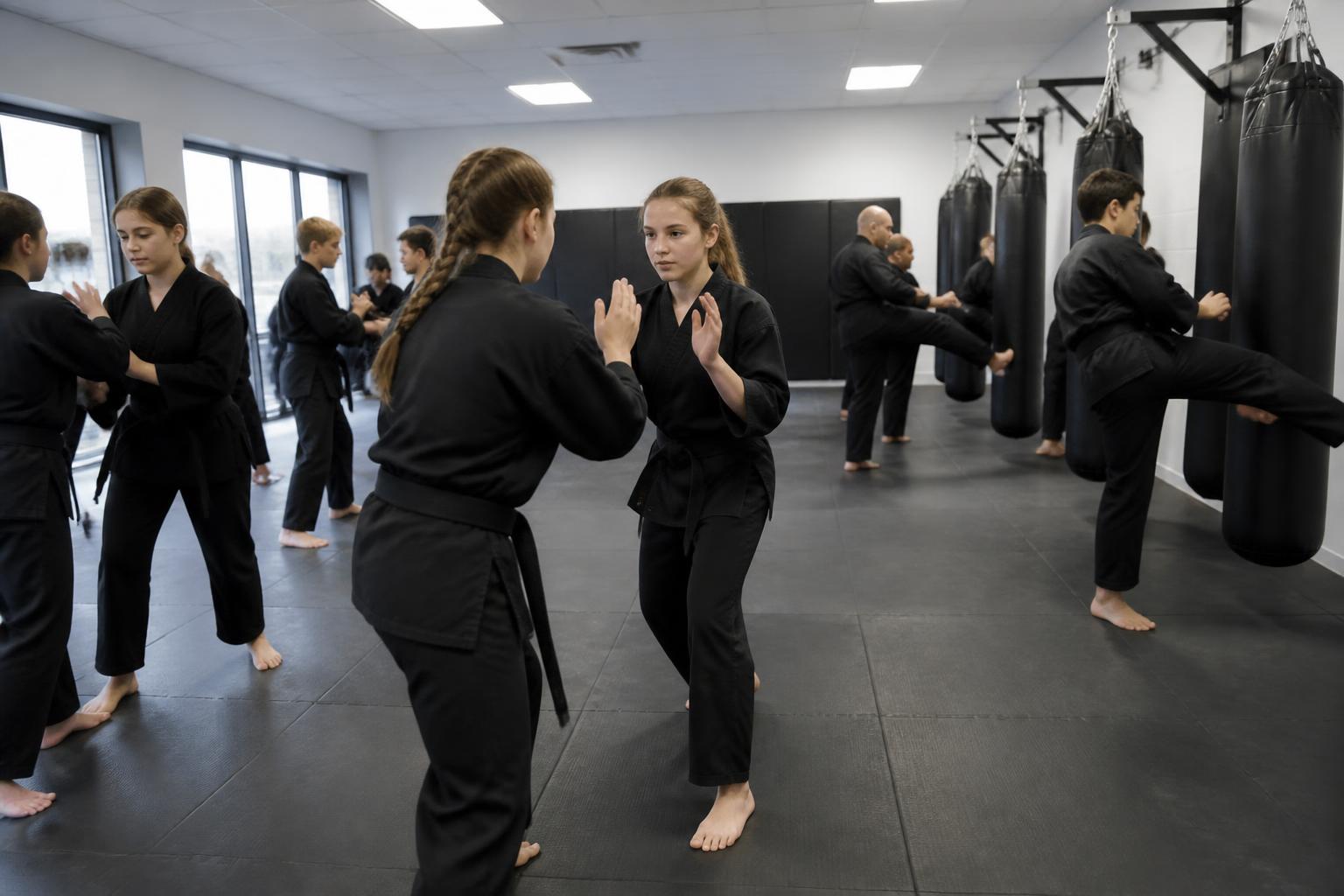
Adult Martial Arts in Oxnard: Self-Defense and Real Fitness After 30
Parent Guide