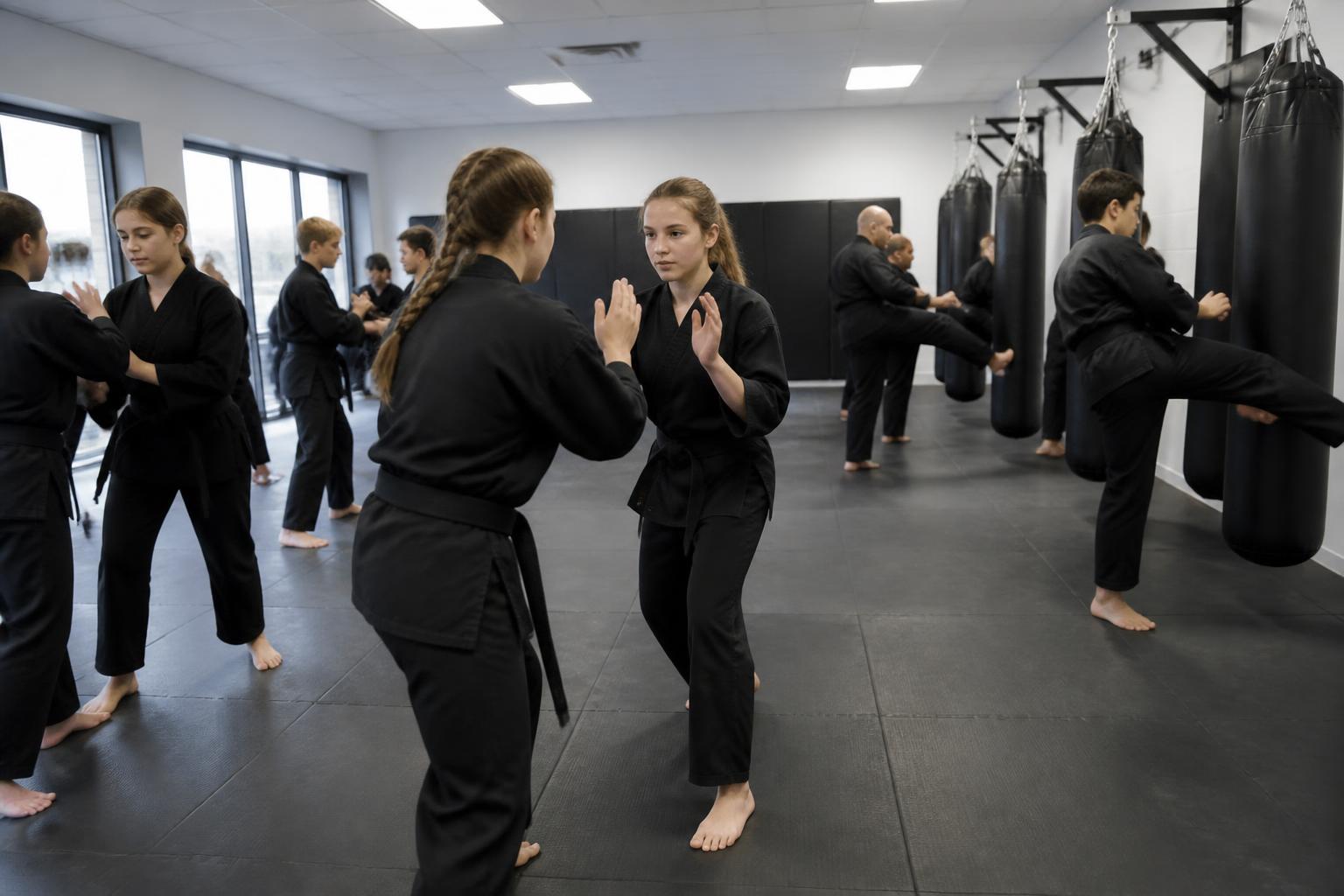
If you have joined a gym in Oxnard, Ventura, or Camarillo and quietly stopped going a few months later, you are not alone. Most adults do not fail because they lack discipline. They fail because lifting the same weights or running the same treadmill loop gives the brain nothing new to hold onto. Adult martial arts works differently, and that difference is why people who start training in their 30s, 40s, and 50s tend to stay.
Why Gym Memberships Fail and Skill-Based Training Sticks
A treadmill does not care if you show up. A martial arts class does. When you are working toward a specific technique, a stripe on your belt, or your first sparring round, there is a built-in reason to return that a gym membership cannot replicate on its own.
Skill acquisition also keeps the mind engaged in a way that repetitive cardio does not. You are not just burning calories, you are learning something with a beginning, middle, and end. That sense of progress is a big part of why adult students at Legacy Martial Arts in Oxnard keep coming back long after their New Year's resolution gym membership would have lapsed.
- A coach or instructor who notices when you are not there
- Visible progress markers (stripes, belts, new techniques)
- Training partners who expect you to show up
- Variety built into every single class
- A skill you can actually use, not just a number on a machine
None of this means fitness does not happen. It happens as a byproduct of training hard, which tends to be more sustainable than chasing fitness for its own sake.
What a 45 Minute Adult Class Actually Contains
Adult classes at Legacy Martial Arts run 45 minutes, which is long enough to get real work done without eating your whole evening. A typical class in our Oxnard studio includes a warm up, technique instruction, partner drilling, and controlled live practice.
- Warm up and mobility work (roughly 5 to 8 minutes)
- Striking or grappling technique instruction, broken down step by step
- Partner drilling to build muscle memory under light resistance
- Situational or scenario practice, including basic self-defense responses
- Optional sparring or live rolling for students who are ready
- Cool down and a short recap of what was covered
Because the format repeats week to week, new students are not lost on day one. You learn the rhythm of class quickly, and the instructor adjusts the pace based on who is in the room that night.
Practical Self-Defense Versus Choreography
There is a real difference between a self-defense seminar built around scripted attacks and training that holds up when someone actually resists you. Choreographed self-defense looks impressive in a demo, but it often falls apart the moment a partner does not cooperate.
At Legacy Martial Arts, adult students drill techniques against partners who give honest resistance appropriate to their experience level. That does not mean beginners are thrown into hard sparring on day one. It means the techniques you learn are tested, not just performed.
- Techniques are practiced against resisting partners, not frozen targets
- Instruction covers what to do if a technique fails, not just the ideal version
- Awareness and de-escalation are part of the conversation, not an afterthought
- Training scales with your comfort level and prior experience
This approach matters whether you are training for confidence walking to your car after a late shift in Oxnard, or you simply want to know that your body remembers what to do under pressure.
Adults ready to get started often review these pages first:
Conditioning Results You Can Expect in 8 to 12 Weeks
We do not promise dramatic transformations on a fixed timeline, because everyone starts from a different place. What we can describe honestly is the pattern we see in adult students who train consistently, three classes a week, for the first two to three months.
- Noticeably improved cardiovascular endurance during class rounds
- Better coordination between footwork, hands, and breathing
- Reduced soreness and stiffness after the first month as mobility improves
- More confidence moving through combinations without overthinking them
- Improved sleep for many students, likely tied to the physical output
None of this is guaranteed, and results depend on attendance, effort, and starting fitness level. What we do see consistently is that students who train three times a week for 8 to 12 weeks report feeling noticeably different than when they started, both physically and mentally.
Training With Old Injuries or After Years Off
A lot of adults hesitate to start martial arts because of a bad knee, a shoulder that never healed right, or simply because it has been ten or fifteen years since they trained anything. This is one of the most common conversations we have with new students at our Oxnard location.
Modifications are normal, not a special accommodation reserved for a few people. Instructors adjust stances, footwork, and drilling intensity based on what your body can handle that day, and that adjustment can change from class to class.
- Tell your instructor about injuries or limitations before your first class
- Low-impact modifications are available for most drills and stances
- You control your own pace during partner work and sparring
- Many adults return to martial arts after a long break and adjust within a few weeks
If you trained years ago in a different style, or you played sports in high school and have not done much since, the transition back into structured training is usually smoother than people expect.
Sparring Is Optional and Progressive
One of the biggest misconceptions about adult martial arts is that everyone has to spar hard from the beginning. That is not how we run classes. Sparring is optional, and when students do participate, intensity is dialed to their experience level.
New students typically watch and drill for several weeks before entering light contact sparring, and even then, the pace is controlled by the instructor watching the room. Nobody is pressured into contact they are not ready for.
For students who do want to test their skills, sparring becomes a useful feedback loop. It shows you what actually works under pressure versus what only works when a partner is standing still and cooperating.
Teens and Parents Training Together
Our Teen & Adult program covers ages 13 and up, which means a parent from Port Hueneme and their teenager can genuinely share the same class floor. This surprises some families at first, but it works well because the age range at 13 and older allows for shared drilling partners and similar physical capability.
Training alongside your teenager gives you a shared activity that is not screens, homework, or a car ride to another activity. It also lets a parent model consistency, showing up on the nights training is inconvenient, which tends to influence a teenager more than any lecture would.
- Parents and teens 13 and older can train in the same class
- Shared training time creates a natural, low-pressure way to connect
- Teens often push parents to attend more consistently, and vice versa
- Families from Oxnard, Camarillo, and Ventura frequently train together this way
Stress Relief That Actually Works
A hard 45 minutes of focused movement does something a scroll through your phone cannot. When you are drilling a technique or working through a combination, there is not much mental bandwidth left over to worry about a deadline or an argument from earlier in the day.
This is not a clinical claim about anxiety or depression, and we are not medical professionals. What we hear from adult students consistently is that class is one of the few times in their week where their mind is fully occupied by something physical, and they leave feeling clearer than when they walked in.
Belt Progression for Adults
Adults progress through the same rank structure as our youth students, though the pace and expectations reflect adult learning. Belt testing is not about performing tricks for an audience. It is a checkpoint that confirms you have absorbed the material for your current level before moving forward.
- Belt promotions are based on demonstrated skill, not attendance alone
- Testing typically happens every few months for consistent students
- Instructors give direct feedback on what to work on before the next test
- Adult belt progression is a personal benchmark, not a competition with classmates
For a lot of adults, having a visible marker of progress is genuinely motivating. It is the difference between vaguely feeling like you are getting better and being able to point to a black belt on your training partner's rack and know exactly what steps got them there.
How Many Days a Week Should You Train
We recommend three classes per week for adult students who want to see steady progress in both skill and conditioning. Training once a week is still valuable, but the gap between sessions makes it harder to retain technique, and progress will simply take longer.
- One class per week: maintains general familiarity, slower skill growth
- Two classes per week: solid, sustainable pace for most working adults
- Three classes per week: recommended pace for consistent improvement
- Four or more: appropriate for students preparing for testing or competition
Beginners are welcome regardless of how many days a week they can commit to starting out. Many students start with two classes a week around a busy schedule in Oxnard or Camarillo and add a third once training becomes part of their routine.
A few more pages worth a look before your first class:
Frequently Asked Questions
Is 45 minutes long enough for a real workout?
Yes. A focused 45 minute class with warm up, technique, drilling, and live practice covers more useful work than many people get from an hour of unfocused gym time. The structure keeps you moving with very little downtime.
Do I need to be in shape before I start?
No. Beginners are welcome at any fitness level, and instructors adjust pace and intensity for new students. Fitness tends to build as a result of consistent training rather than being a prerequisite for it.
Is sparring required?
No, sparring is optional. Students who want to spar work up to it gradually with controlled contact, and plenty of students train for months focused purely on technique and conditioning without sparring.
What should I wear to my first class?
Comfortable athletic clothing you can move in is fine for your first visit. Once you decide to continue training, a uniform is typically introduced as part of the program.
Can I train if I have a previous injury?
In most cases, yes. Let your instructor know about any injuries before class so drills and stances can be modified appropriately. Many adult students train successfully around old knee, shoulder, or back issues.
How long does it take to earn a black belt as an adult?
Timelines vary based on attendance and individual progress, but adult students who train consistently three times a week typically test through rank levels over the course of several years, the same general structure used across our youth and adult programs.
Do you offer classes for people who live outside Oxnard?
Yes. We regularly have students commute in from Port Hueneme, Camarillo, and Ventura. The drive is short for most of the surrounding area, and class times are set up to work around typical commute and work schedules.
Start Training
If you have been putting off getting back into shape or you want practical self-defense skills that go beyond a weekend seminar, the Teen & Adult program at Legacy Martial Arts in Oxnard is built for exactly that. Beginners are welcome, sparring is optional, and classes are scheduled to fit around a real adult schedule.
Call us at 805-240-7424 or visit our Contact page to ask about our current intro offer at $25. Our studio is located at 2711 S. Rose Ave, Suite D103, Oxnard, CA 93030, convenient to Port Hueneme, Camarillo, and Ventura.
New Student Experience
Ready to See It In Person?
2 Weeks of Classes — $158 $25
Keep Reading
Mighty Badgers
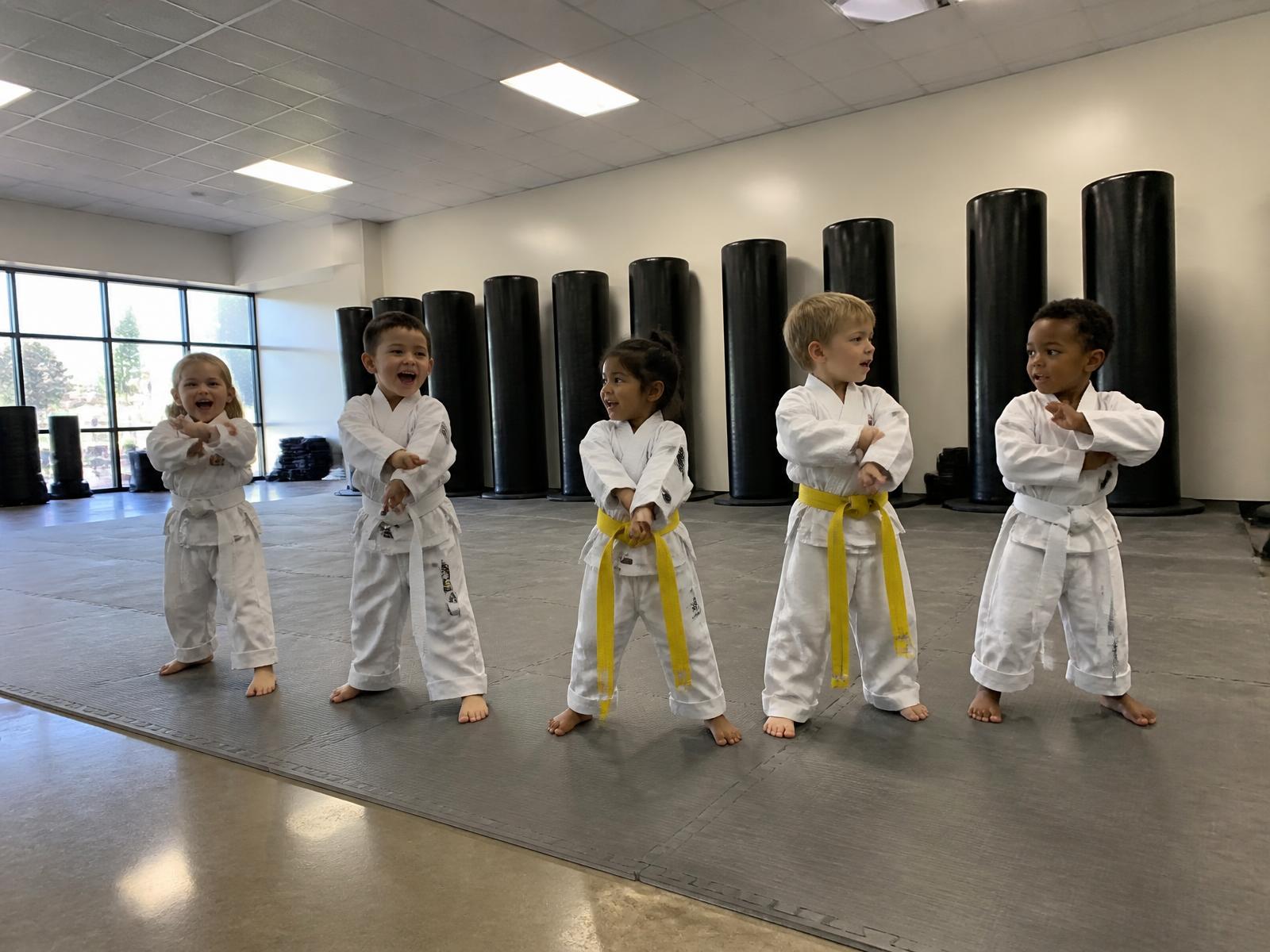
Preschool Martial Arts in Oxnard: What Ages 3 to 6 Actually Learn
Youth Martial Arts
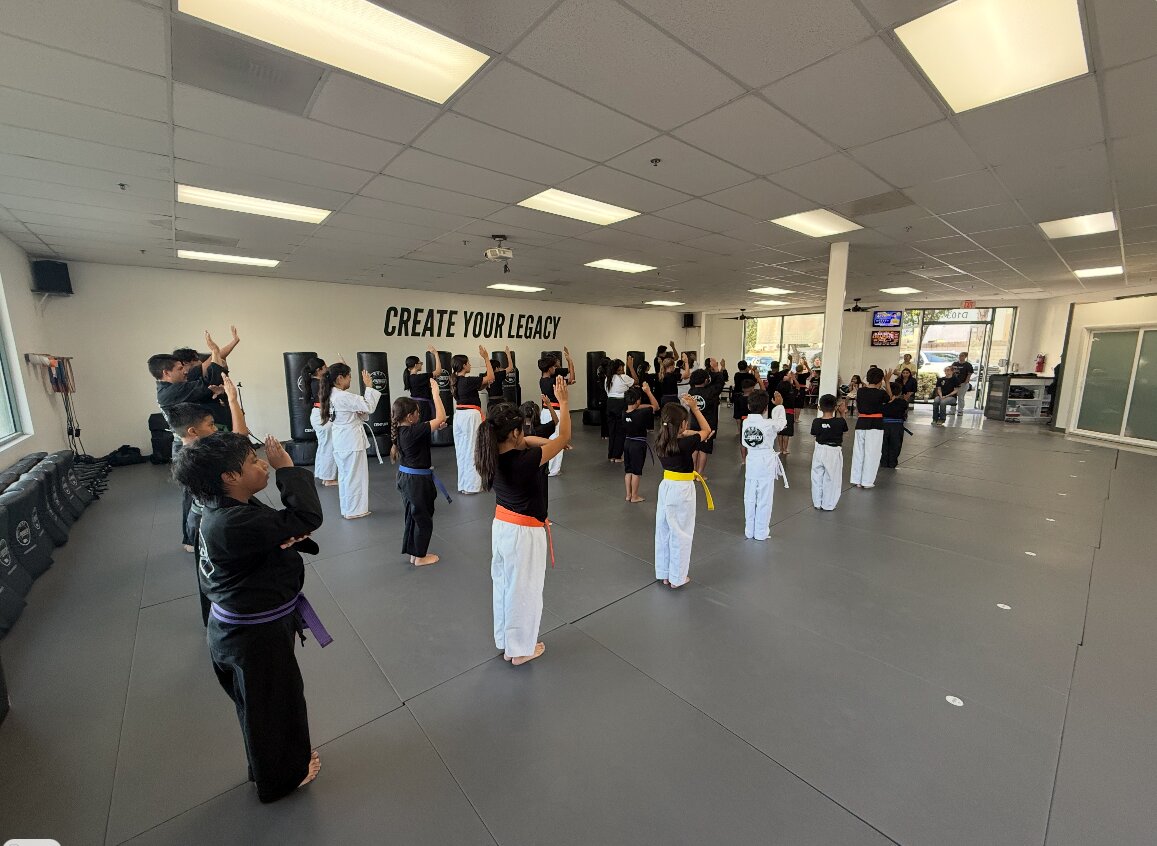
Kids Martial Arts in Oxnard (Ages 7 to 12): A Parent's Complete Guide
Parent Guide
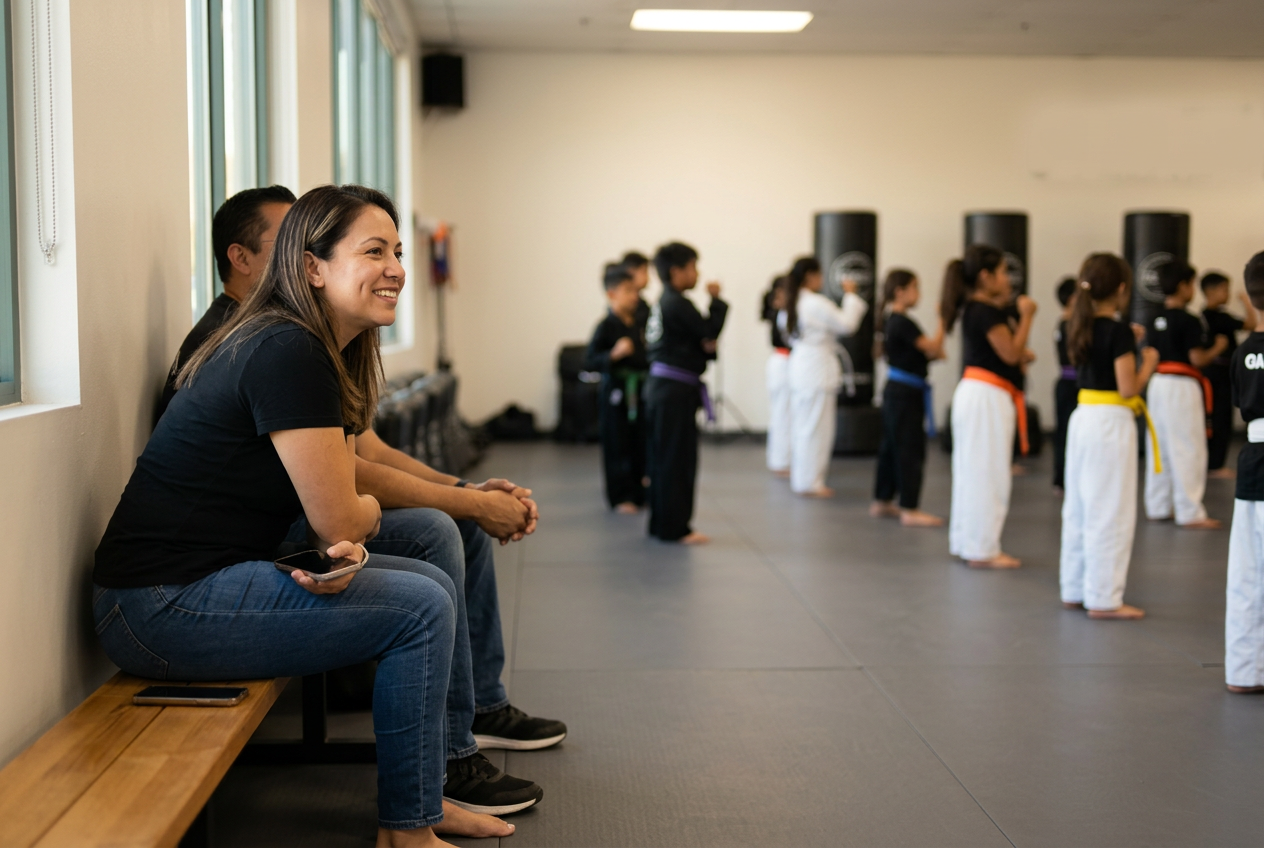
How to Choose a Martial Arts School in Oxnard: A Parent's Field Guide
Parent Guide