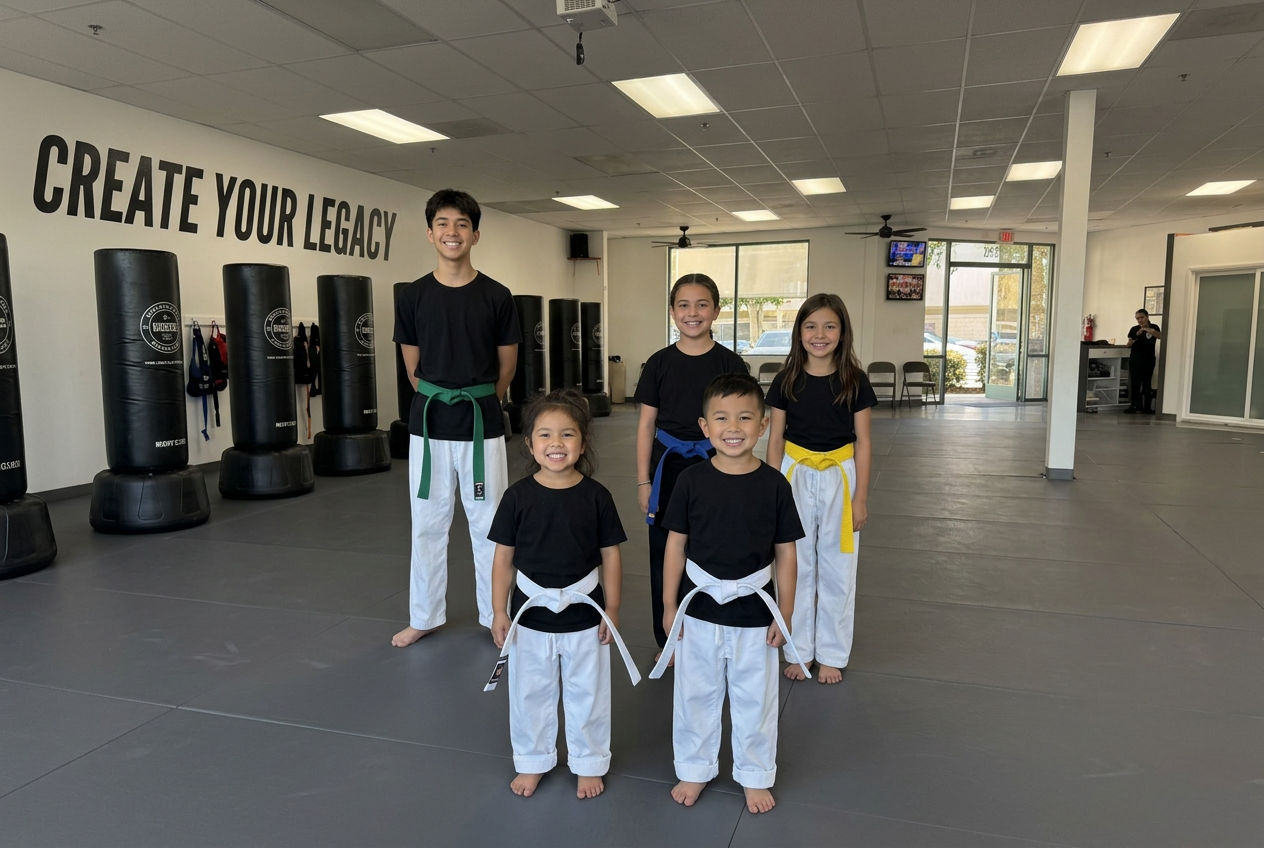
The question we get most often at our front desk is some version of "is my child old enough yet?" Usually the parent asking already knows their kid needs something: more focus, more confidence, more physical outlet, fewer meltdowns at homework time. What they are really asking is whether it will work now or whether they should wait a year.
Here is the honest answer. There is no magic age where martial arts suddenly clicks. There is only the question of whether the class in front of you is built for your child's stage. A three-year-old in a class designed for nine-year-olds will fail, and a nine-year-old in a class designed for three-year-olds will get bored and quit. Match the stage, and almost any age works.
Ages 3 to 6: Building the Ability to Be Taught
Preschoolers are not learning martial arts in any technical sense. They are learning how to be a student. Standing on a spot. Waiting for a turn. Looking at the person talking. Trying something that is hard and not falling apart when the first attempt is wrong.
Those sound like small things. They are the entire foundation of school, sports, and every classroom this child will ever sit in. A well-run preschool martial arts class works because it makes those skills physical and fun instead of abstract.
What to expect at this stage: short classes, thirty minutes at most, high energy, lots of games with a rule hidden inside each one, and technique that stays simple on purpose. Two classes a week is the right dose. Any more and attention burns out.
Realistic ninety-day progress: your child can hold a ready stance for thirty seconds, follow a two-step instruction the first time, and bow in without being reminded. Do not measure kicks. Measure the moment they stop looking to you for permission.
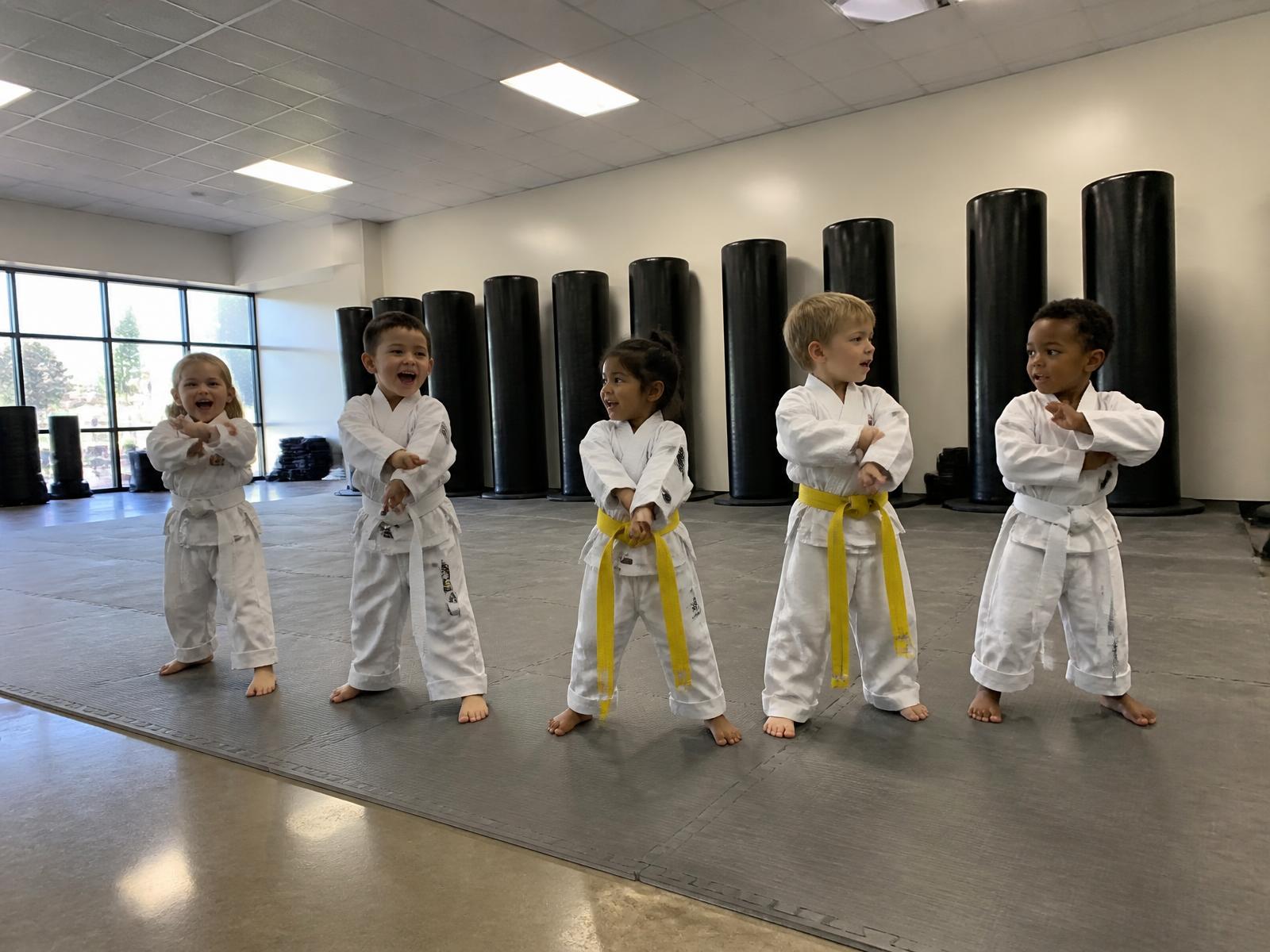
This is what our youngest program is built for:
Ages 6 to 9: The Easiest Window There Is
If you are looking for the single best window to start, this is it. Kids in this range can hold a sequence of movements in their head, take a correction without collapsing, and feel genuine pride in earning something. Habits also still form quickly, which is why behavior changes show up fast.
This is the age where parents start reporting the thing they came for. Teachers mention improved focus. Homework becomes less of a fight. The kid who used to freeze when called on starts raising a hand. None of that comes from kicking. It comes from repeatedly doing hard things on purpose in front of other people and surviving it.
What to expect: forty-five minute classes, real technique, belt requirements with visible standards, and the first honest experience of not being immediately good at something. That last part is the actual product.
Ages 10 to 12: Skill Becomes Identity
Older kids move differently. They can generate real power, understand why a technique works instead of just copying it, and start to see themselves as a martial artist rather than a kid whose parents signed them up.
This is also the age where social pressure arrives. A ten-year-old will quit an activity that makes them feel babied faster than one that is physically demanding. If the class treats them like little kids, they are gone. If it challenges them, they dig in.
What to expect: harder conditioning, controlled partner work with real supervision, leadership roles helping younger students, and progress measured in months rather than weeks. Two to three classes a week is the difference between a hobby and a skill.
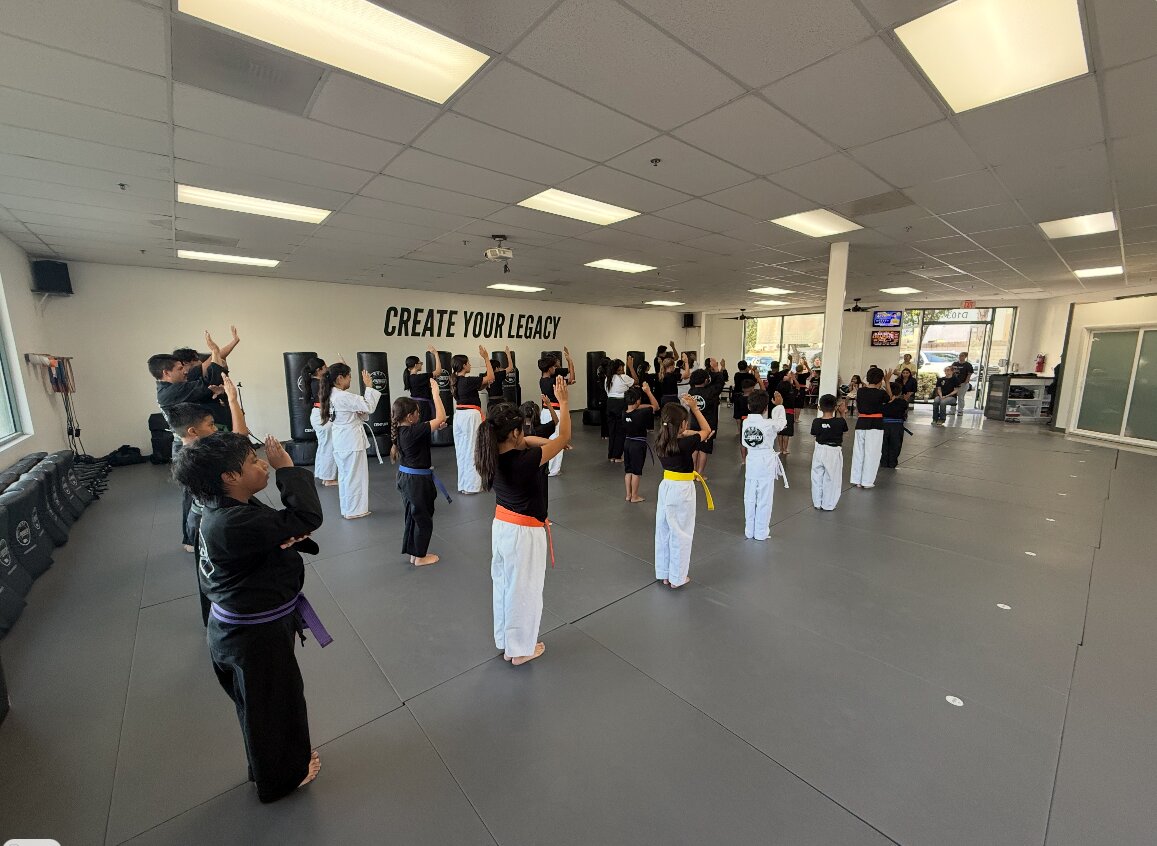
Both stages above train together in our middle program:
Teens: The Most Underrated Starting Age
Parents assume the window closed. It did not. Teenagers learn faster than any other group we teach, because they can absorb detailed instruction and self-correct between classes. A fourteen-year-old who starts today can be genuinely capable within a year.
The real value at this age is different from the value for a seven-year-old. Teens get a place where they are judged on effort instead of popularity, a physical outlet that is not a school team with cuts and benchwarming, and the specific confidence of knowing they can handle themselves.
What to expect: adult-level training with age-appropriate coaching, three classes a week minimum, and honest sparring instruction that starts slow and builds. Consistency, not talent, is what separates teens who progress from teens who stall.
Adults: Late Is Not the Same as Too Late
Most adults who walk in tell us the same two things: they always wanted to do this, and they think they are too out of shape to start. Both are almost always true, and neither one matters.
Adults progress well because they show up on purpose. Nobody drove them. They do have to unlearn the belief that they should already be good, which is the hardest part of the first month for a thirty-eight-year-old and the easiest part for a six-year-old.
What to expect: a real conditioning curve for the first three weeks, technique that improves faster than fitness does, and a training group that is far more welcoming than the movies suggest. Three classes a week is the honest minimum for the program to work.
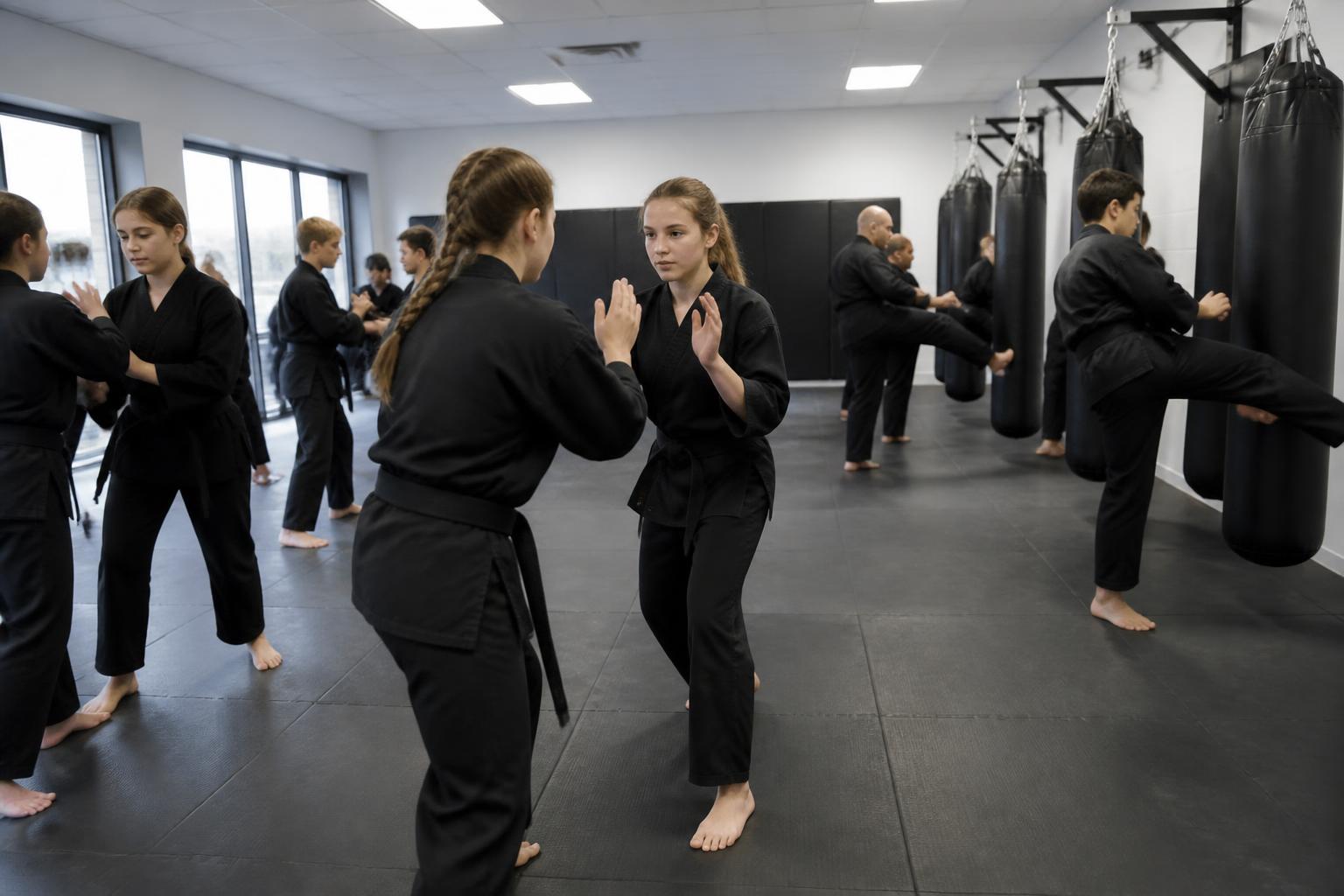
Teens and adults train here:
When Waiting Actually Is the Right Call
We do sometimes tell parents to wait, which surprises them. A child under three, or a child who cannot yet separate from a parent for thirty minutes without distress, will have a better first experience in a few months. Forcing it teaches them that the mat is a place where they feel bad.
We also suggest waiting when a family's schedule genuinely cannot support two classes a week for the next few months. Once-a-week attendance produces almost none of the benefits parents are hoping for, and then everyone concludes martial arts does not work for their kid. It was the dose, not the kid.
The Mistake That Costs More Than Starting Late
Starting a year later costs a year. Starting in the wrong class costs the whole idea, because a bad first experience convinces a child that this is not for them, and that belief lasts a lot longer than any belt.
So the useful question is not "how old should my child be?" It is "which class in this building is built for exactly my child, and who teaches it?" Ask that, watch that class, and the age question answers itself.
Frequently Asked Questions
Is 3 too young to start martial arts?
Not in a program built for preschoolers. Three-year-olds do well in short, game-based classes focused on listening and self-control. They do badly in classes designed for school-age kids, which is where most bad experiences come from.
What is the best age for a child to start karate?
Ages 6 to 9 is the smoothest window, because kids can follow sequences, take correction, and form habits quickly. That said, we have seen four-year-olds thrive and thirteen-year-olds pass students who started years earlier.
Is my teenager too old to start?
No. Teens are among the fastest learners we teach. The only real obstacle is the social discomfort of being new, which usually disappears inside three classes.
Am I too old to start as an adult?
We regularly start adults in their forties and fifties. Training scales to the body in front of it, and the first month is about conditioning and technique, not sparring.
How many classes per week does my child need?
Two for ages 3 to 12, three or more for teens and adults. Once a week is enough to enjoy it and not enough to progress.
Find Your Child's Stage on Our Mat
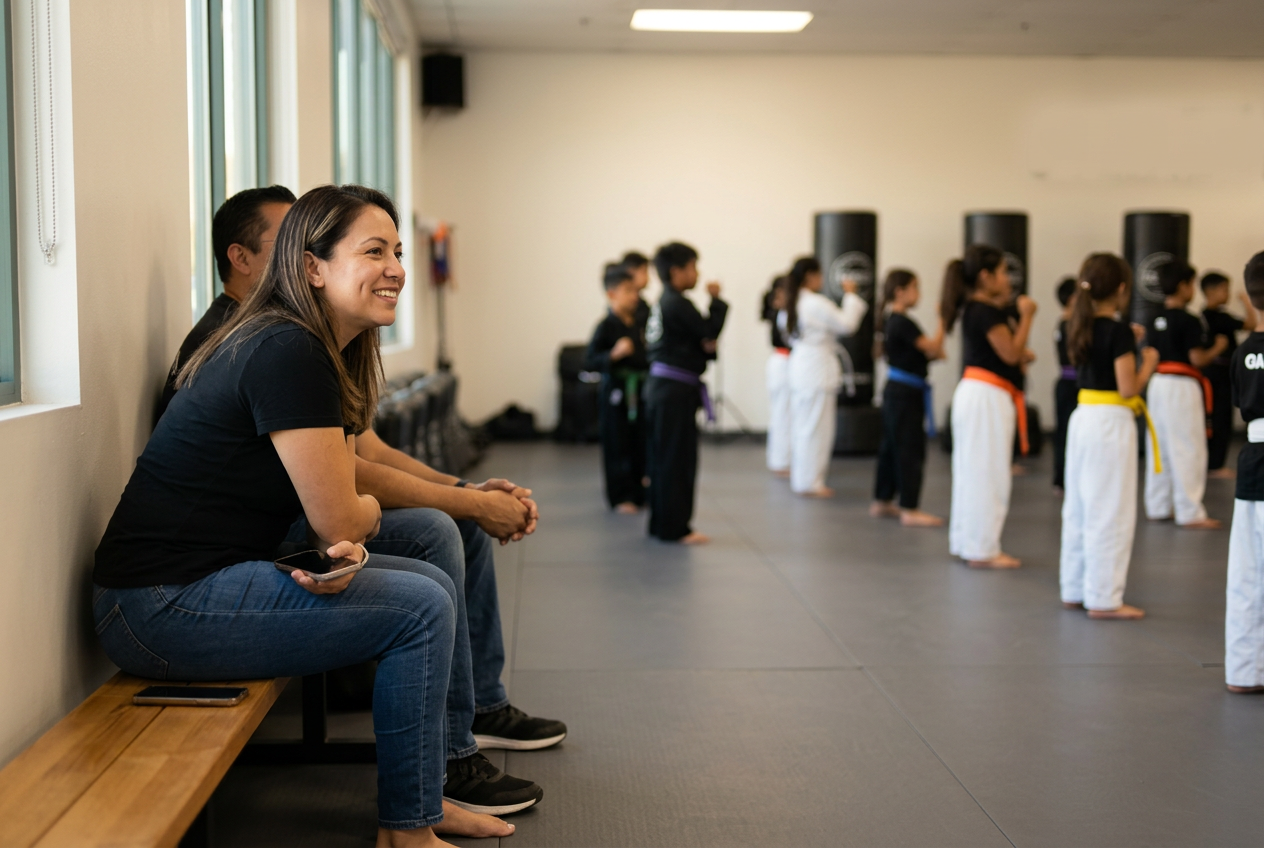
The fastest way to answer the age question is to watch the class your child would actually join. Come see it, meet the instructor who runs it, and let your kid try it before you commit to anything.
New Student Experience
Ready to See It In Person?
2 Weeks of Classes — $158 $25
Keep Reading
Mighty Badgers
Preschool Martial Arts in Oxnard: What Ages 3 to 6 Actually Learn
Youth Martial Arts
Kids Martial Arts in Oxnard (Ages 7 to 12): A Parent's Complete Guide
Teen & Adult
Adult Martial Arts in Oxnard: Self-Defense and Real Fitness After 30
Parent Guide